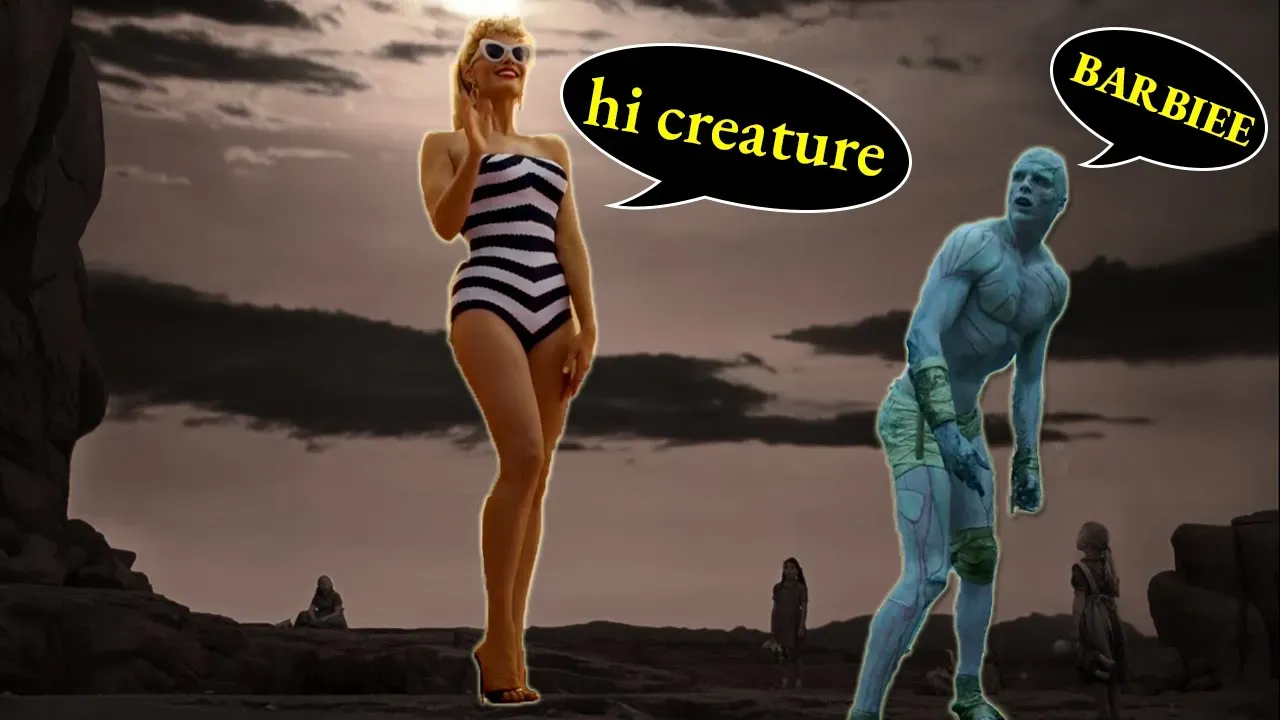
Barbie and Frankenstein's monster are same person
I mean why would Barbie want to mix in with humans, why would this creature want to be accepted by human society?
By Satyam Ghimire | Date: 2025 November 19
Also available as a YouTube video.
By Satyam Ghimire | Date: 2025 November 19
Also available as a YouTube video.Date: 2026 April 11
Date: 2025 June 28
Date: 2025 June 28
By Satyam Ghimire || Date: 2026 October 14
Also available as a YouTube video.
The short story, 'The Ones Who Walk Away From Omelas' has a sequel, well not official, since it was written by another writer named Isabel J Kim in 2024 and Ursula K Le Guin died in 2018 and so she couldn't comment anything. But the sequel is not just a typical fan fiction, it has won several awards like the first one and even has its own Wikipedia page. And there are so many other work inspired by the original story. You can read more about them on Jed Hartman's website. But today I am only going to talk about these two, the original by Le Guin and the solution proposed by J Kim. If you have read the original, then I assume you too were rooting for walking away, because that's the moral thing. I assume you think you would walk away too from Omelas. But I don't think, and I know this isn't a new interpretation of the story, that the central theme was these decisions, these questions.
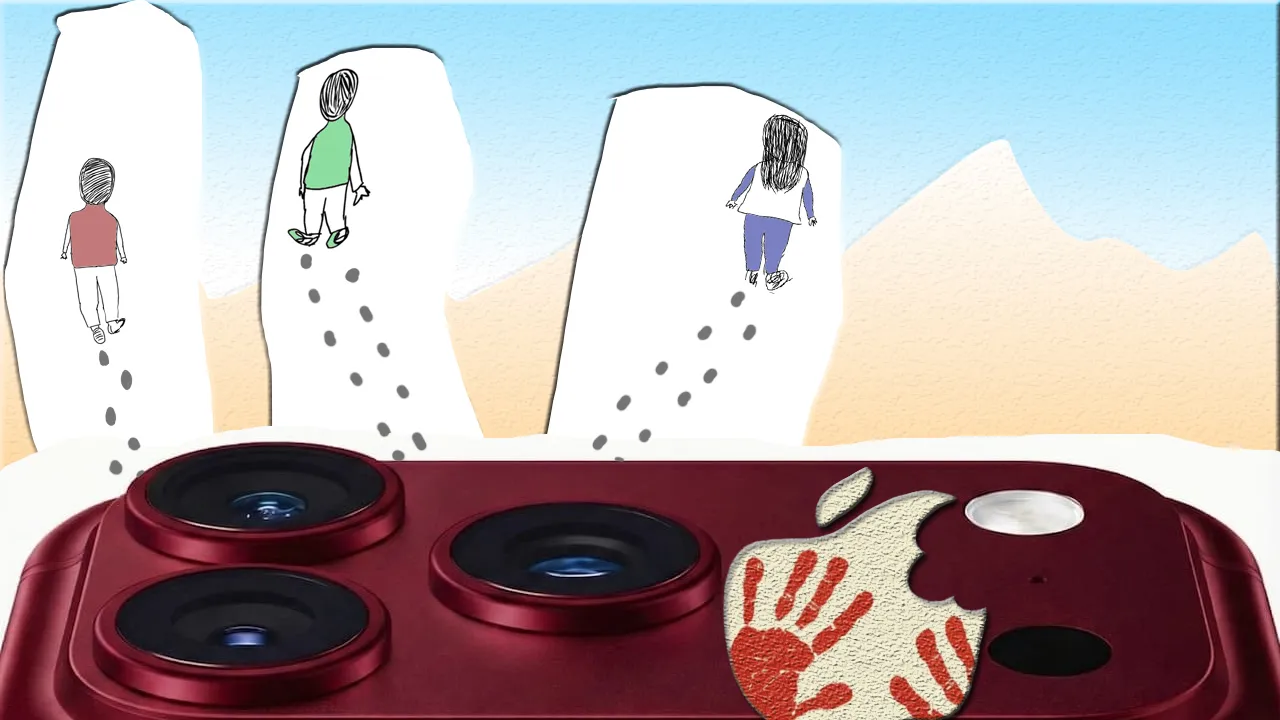
Questions such as, "Omelas is immoral, don't you think?" "Walking away is the right thing to do, isn't it"? But first, do you know iPhone 18 is releasing? Or some cool laptop, or a new GPU architecture now with more number of cores, or an AI model that can solve Navier Stokes level math problems, or some EV cars that's even nicer and has better speakers than what was released 2 months ago? Omelas is a fictional city, a utopia of some sense. But you have to imagine the contents of Omelas yourself, as the narrator of the story says. You can add whatever to Omelas like iPhones and lipsticks and gaming laptops and gold chain, etcetera. All the things that are signs of a happy city, filled with happy people. You have to convince yourself that it exists. And there is no guilt in Omelas, and all are proud and merry. And they all gather for the summer festival, where everyone is happy. ...continue reading...
By Satyam Ghimire || Date: 2025 November 17
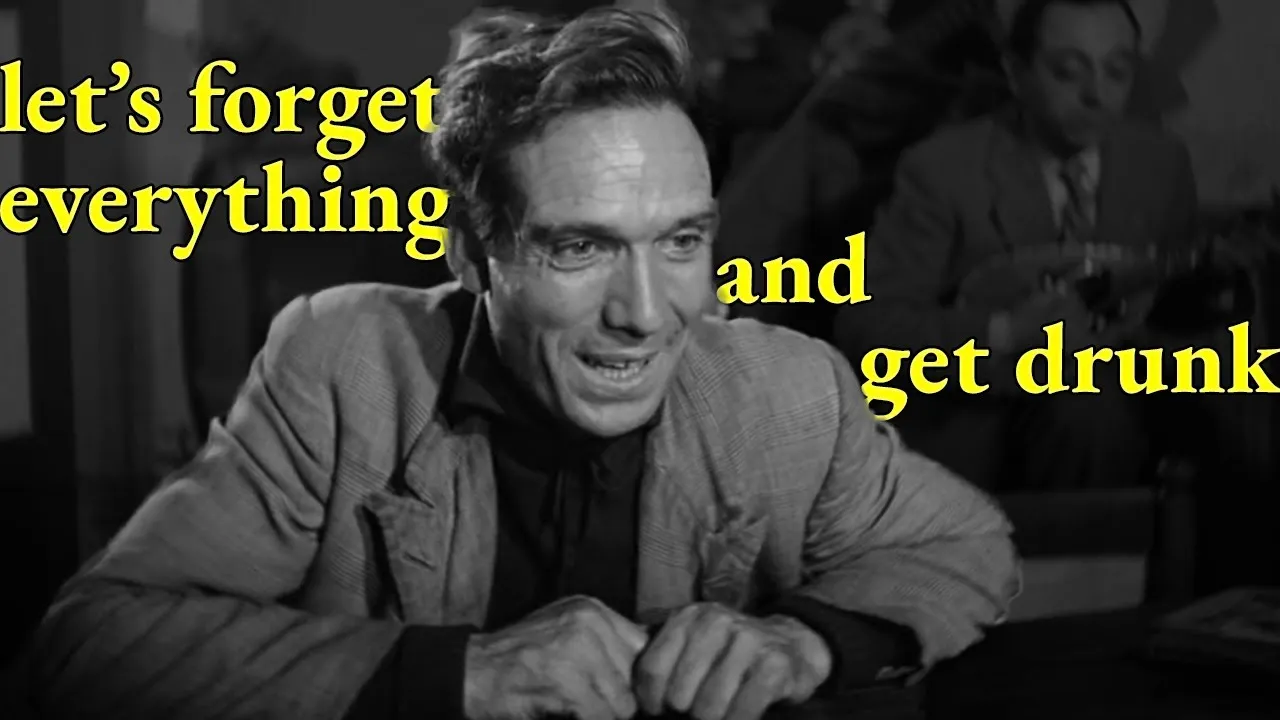
At around the start of the third half of Bicycle Thieves, this italic classic from 1948, there is a scene which I think is of a great significance in understanding the fragility of human condition. This scene could also remind us how our brain works psychologically during the time of crisis. When everything around us is falling apart, how we tend to get a sudden burst of hope, often hope filled with delusions. How the brain works faster to generate points and thoughts to support its own claims, all in order to ease our pain.
It reminds me of this quote by Sylvia Plath: Perhaps when we find ourselves wanting everything, it is because we are dangerously close to wanting nothing. The man, Antonio Ricci, has just gotten his name called for a moderately better paying job and he is told he must have a bicycle with him in order to continue. His work is to paste advertising posters throughout the city. One day, well on his first day, as he was pasting this, a thief steals his bicycle. If he doesn’t get back his bicycle, his job will go away. His family has no other income. They sold what little material possession they had to get that bicycle. His world is ending. ...continue reading...
By Satyam Ghimire | Date: 2025 September 1
Also available as a YouTube video.
By Satyam Ghimire | Date: 2025 July 9
Also available as a YouTube video.Date: 2025 June 11
Date: 2025 May 29
Date: 2024 April 30
By Satyam Ghimire | Date: 2024 March 19
By Satyam Ghimire | Date: 2024 September 29
Also available as a YouTube video.By Satyam Ghimire || Date: 2024 September 17
Also available as a YouTube video.
When some great artists approach the end of their life, they entertain the idea of a successor, though they know deep down that no one can truly take their place. In his latest film, The Boy and The Heron, Hayao Miyazaki has told a story of one such creator. Though on the surface the film is about a young boy Mahito overcoming grief of his mother's death, and like other Miyazaki's films, follows a journey through a fantasy land filled with colorful characters. But of course, this perspective has not much to do with the question which almost was the title of the movie, “how do you live”? Mahito’s great-grand uncle created a world parallel to ours, a world with its own small set of creatures and magic.
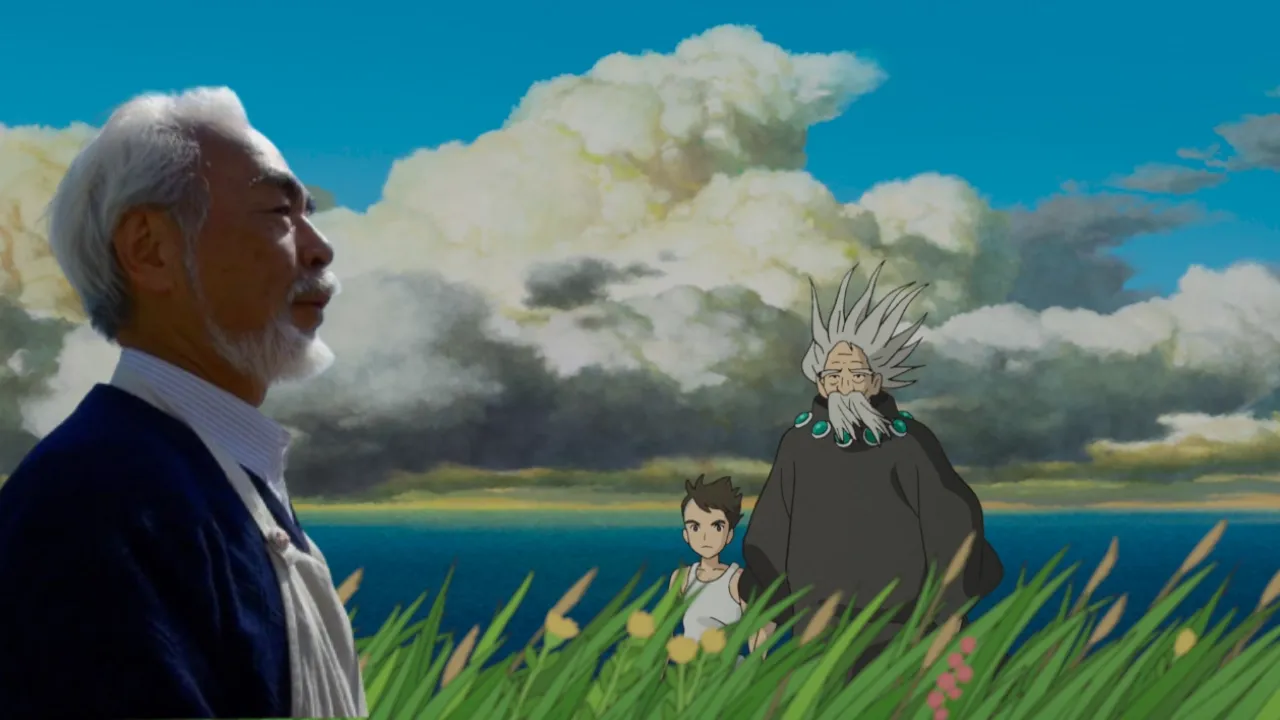
This old man is looking, waiting, for someone to take over his work. To wash it pure and bring once again the balance and harmony among the creatures upon whom he had sprinkled life. To continue his legacy, to build a better paradise. Of course Mahito rejects the old man’s offer. He says he has malice and greed and he would corrupt everything. He would rather choose the real world, with all its shortcomings, and be an ordinary man. The old man, as if he already expected this answer, isn't sad or angry at getting a “No!", even though he had high hopes for Mahito. Of course Miyazaki looked out for potential candidates, to pass his torch hand to hand, but no one was good enough for him. Perhaps his judgment was right, perhaps it wasn’t and he was too hard on others. It doesn’t matter now. The end is almost here. He is 83 years old. He knows the studio is going to fall apart. Like the old man in the movie, we are to assume Miyazaki isn’t sad about it. ...continue reading...